A Roundtable Discussion Held on “The Legal Status and Environmental Issues of the Caspian Sea”
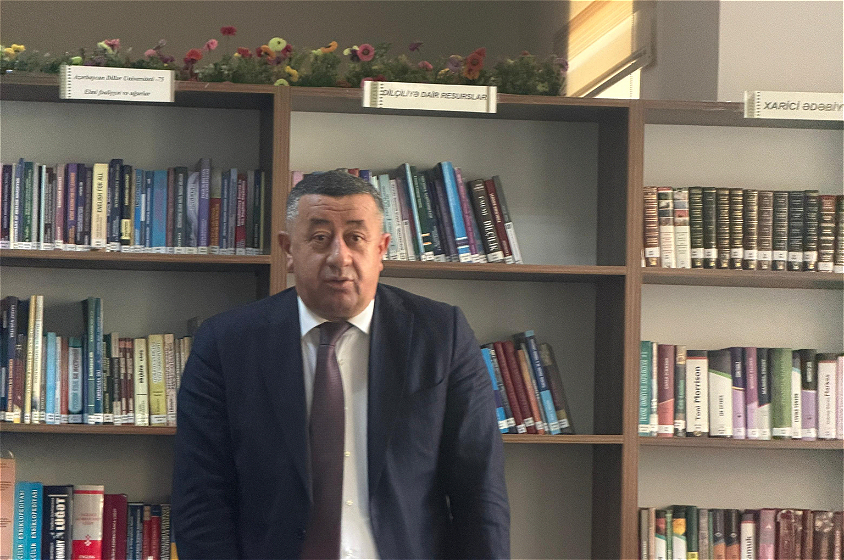
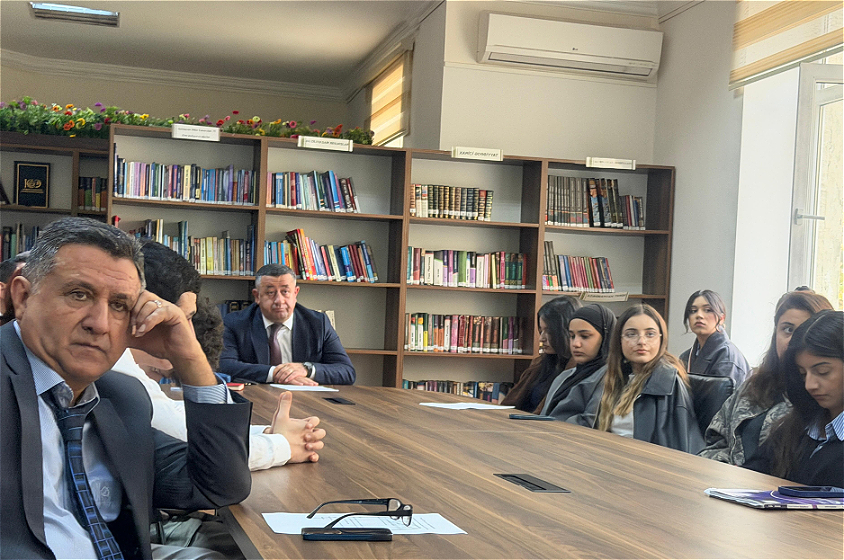
On November 17, the Faculty of International Relations and Regional Studies of the Azerbaijan University of Languages (AUL) organized a roundtable discussion on “The Legal Status and Environmental Issues of the Caspian Sea.” Opening the event, the dean of the faculty, Professor Ibrahim Kazimbayli, noted that the roundtable was held within the framework of the “State Program on the Implementation of the National Strategy for the Efficient Use of Water Resources for 2024–2027.” Professor Kazimbayli emphasized the crucial importance of the Caspian Sea in Azerbaijan’s economic life and provided a historical overview of its legal regime. He also analyzed the competition among regional and international actors over the Caspian Sea and its resources.
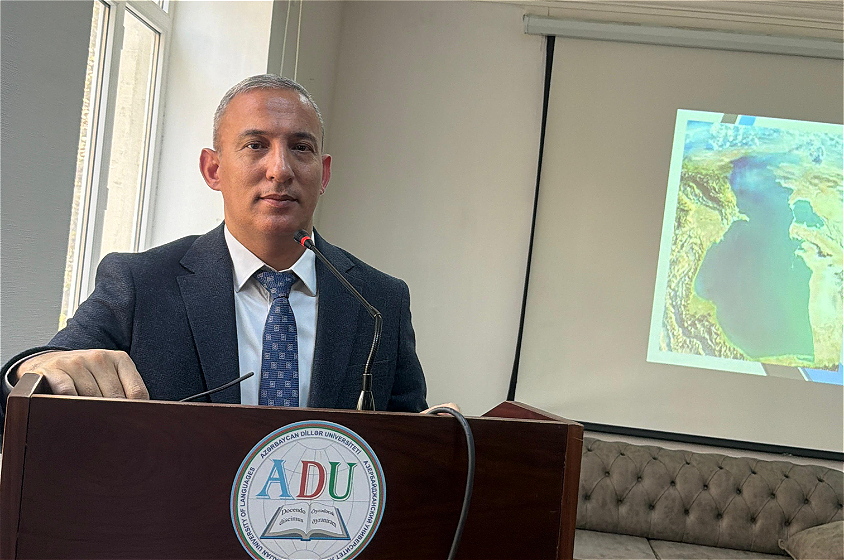
Associate Professor Namiq Karimov of the Department of Caucasus Studies and Azerbaijani History delivered a presentation on “Determining the Legal Status of the Caspian and Its Impact on Solving Environmental Problems.” After briefly outlining the historical struggle surrounding the Caspian Sea, he analyzed the positions of the littoral states—particularly Russia and Iran—regarding its legal status. He also spoke about the determination of the Caspian’s final legal status at the Aktau Summit on August 12, 2018, and the efforts undertaken to address ecological issues.
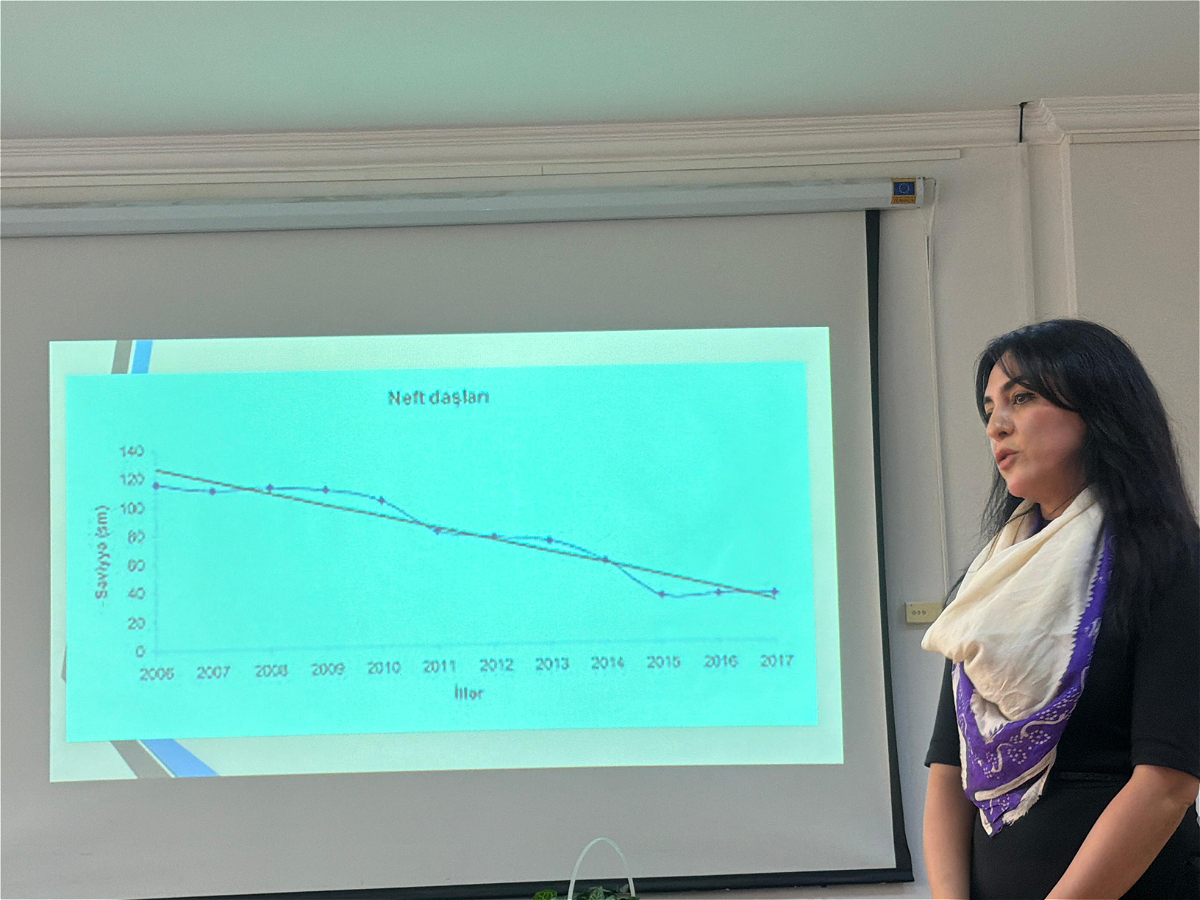
Associate Professor Gulnar Hajiyeva of the Department of Regional Studies on Eastern Countries presented on “Environmental Problems of the Caspian Sea.” She provided detailed information on the major ecological challenges the sea is currently facing, particularly water level fluctuations, the causes behind them, and the environmental consequences they create. In addition, she discussed the factors contributing to the pollution of the Caspian Sea, the role of surrounding states in that pollution, and the environmental problems resulting from it.
The event concluded with discussions on the topic, and the speakers answered students’ questions.